


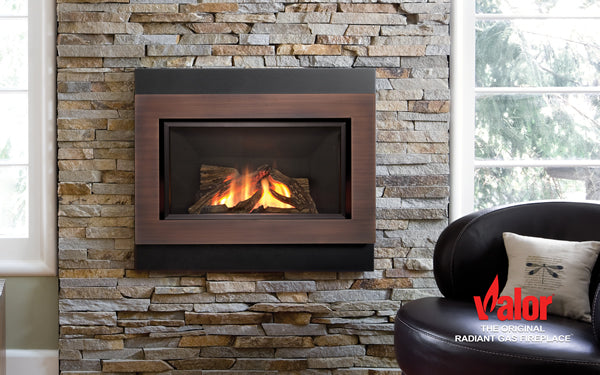


A propane fire pit is usually the easiest choice if you want a clean flame, flexible placement, and no permanent gas line. A natural gas fire pit is better for a fixed patio setup where you already have, or plan to install, a gas connection. A wood-burning fire pit gives the strongest traditional campfire feel, but it needs more space, lots of overhead clearance away from trees, more cleanup, and closer attention to local fire rules, especially in Canadian municipalities where open-air burning can be restricted. Gas fire pits are generally cleaner and easier to control, while wood-burning models depend more on weather, fuel quality, smoke management, and local bylaws.

Key Takeaways
Propane is the most flexible fuel option because the unit can usually be moved within the limits of safe clearance and tank access.
Natural gas is the most convenient long-term option for a permanent patio, but it normally requires professional installation.
Wood-burning fire pits feel more traditional, produce real crackle and flame movement, and can give strong radiant heat.
Gas fire pits need less cleanup because there is no ash, ember bed, or wood residue to remove after each use.
Wood-burning fire pits may cost less upfront, but fuel storage, smoke, cleanup, and local restrictions matter.
Small patios usually suit propane or natural gas fire tables better than open wood-burning pits.
Canadian weather changes the decision because wind, snow, moisture, cold starts, and seasonal storage all affect performance.
Table of Contents
-
What Is the Difference Between a Fire Pit and a Fire Table?
-
What Are the Pros and Cons of a Propane Fire Pit?
-
What Are the Pros and Cons of a Natural Gas Fire Pit?
-
What Are the Pros and Cons of a Wood-Burning Fire Pit?
-
Which Fire Pit Costs Less to Operate?
-
vWhich Fire Pit Is Better for Canadian Weather?
-
Which Fire Pit Is Right for Small Patios and Backyards?
-
What Should You Consider Before Buying a Fire Pit?
-
FAQ
What Is the Difference Between a Fire Pit and a Fire Table?
A fire pit is a general outdoor fire feature designed to create heat, flame, and atmosphere in a backyard or patio space. It may be round, square, bowl-shaped, low-profile, portable, or built into a permanent outdoor living area.
A fire table is a type of fire pit with a table-like surface around the burner. Most fire tables use propane or natural gas rather than wood. They are often chosen for patios because they can sit in the middle of a conversation area and provide both flame and usable surface space when designed with a lid or tabletop edge.
See several examples of Outdoor Propane Fire Tables, Pits & Bowls HERE:
The main difference is function. A classic outdoor fire pit is mainly about flame and heat. A fire table is also part of the furniture layout. That matters if your patio is small, if you entertain often, or if you want one central piece instead of a separate coffee table and heater.
Gas fire tables also tend to suit finished patios better than open wood fires. There is no ash, no sparks from burning logs, and no pile of firewood beside the seating area. Barbecues Galore’s fire tables category focuses mostly on propane and gas options built for outdoor seating areas, while the broader fire pit collection includes different styles of outdoor flame features. Barbecues Galore also notes that many propane fire tables and pits fall around the 40,000 to 60,000 BTU range, depending on the burner and model.
A wood-burning fire pit is different again. It is closer to a backyard campfire. It needs a safe base, open clearance, dry wood, and a responsible way to manage sparks, smoke, and ashes. Ottawa, for example, does not permit wood-burning outdoor fireplaces and open-air fires in urban areas where open-air burning isn't allowed - though natural gas, propane, and ethanol fire features are not subject to that burn restriction.
IF Wood-burning Fire Pits are more your thing, then check those out HERE.
What Are the Pros and Cons of a Propane Fire Pit?
A propane fire pit is a good fit when you want a real flame without committing to a fixed gas line. It uses a portable propane tank, usually the same general fuel type many Canadian households already use for barbecues.
The biggest advantage is placement flexibility. You can use a propane fire table on a patio, move a portable unit to a different seating area, or rework your outdoor layout without trenching a gas line. This is useful for people who are still building out their backyard or who rent, move, or change patio furniture from season to season.
Propane is also simple to start. Most models use push-button ignition or a controlled lighting process. You do not need kindling, newspaper, dry logs, or time to build a fire. When the evening is finished, you turn the unit off instead of waiting for embers to die down.
A propane fire pit is cleaner than wood. There is no ash bucket, no smoke smell in clothing, and no leftover charred wood. This makes it practical for weeknight use, not only special gatherings.
The trade-off is fuel management. A propane tank can run out, usually at the least convenient time. If the tank is hidden inside a propane fire table, you still need enough room to access it safely. Some higher-end designs conceal the tank well; others require a separate tank cover or visible side placement.
Propane can also be affected by very cold weather. A standard propane tank may lose pressure when temperatures drop sharply, especially if the tank is low. For most shoulder-season patio use, this is manageable. For deep winter use in colder parts of Canada, a natural gas connection or other outdoor heating solutions may be more predictable.
Propane Fire Pit Pros and Cons
| Propane fire pit factor | What it means in real use |
|---|---|
| Installation | Usually easier than natural gas because no fixed gas line is required |
| Placement | More flexible, especially for patios that may change layout |
| Startup | Quick ignition compared with wood |
| Cleanup | Very low because there is no ash or wood residue |
| Fuel issue | Tank must be refilled or exchanged |
| Best fit | Patios, decks where approved, smaller yards, flexible seating areas |
A propane fire table is often the safest “first gas fire feature” for a homeowner who does not yet know how permanent the patio layout will be. It gives the look and control of a gas fire pit without locking the design into one exact location.
What Are the Pros and Cons of a Natural Gas Fire Pit?
A natural gas fire pit is the better choice when the fire feature has a permanent home. It connects to a natural gas line, so it does not rely on refillable tanks.

The biggest advantage is convenience. Once installed, a natural gas fire table is always connected to fuel. There is no tank exchange, no half-empty cylinder to check before guests arrive, and no need to store backup propane. For homeowners who already have a natural gas barbecue line near the patio, this can be a practical upgrade.
Natural gas also suits planned outdoor living spaces. If you are building a proper seating zone with pavers, a pergola, an outdoor kitchen, or a built-in patio layout, a fixed natural gas fire pit can feel cleaner and more intentional. It belongs to the structure of the space rather than acting like a movable accessory.
The main disadvantage is installation. A natural gas fire pit normally needs a licensed gas fitter or qualified professional to run the line, connect the appliance, and check compliance. That makes the upfront cost higher than most portable propane or wood-burning options.
It is also not very portable. Once the line is installed, the fire feature has a fixed location. If you later decide that the seating area should move three metres to the left, the gas connection becomes part of the problem.
Natural gas fire pits also need weather-aware placement. A line-connected unit should be positioned where drainage, snow load, wind exposure, and winter covers have been considered. Outdoor-rated materials matter. Barbecues Galore notes in its gas fire pit table guidance that quality gas fire tables are built from outdoor-rated materials designed to handle heat as well as rain, wind, and snow.
Natural Gas Fire Pit Pros and Cons
| Natural gas fire pit factor | What it means in real use |
|---|---|
| Installation | Usually requires a gas line and professional connection |
| Fuel supply | Continuous fuel supply once installed |
| Placement | Best for fixed patios and planned outdoor rooms |
| Cleanup | Low maintenance compared with wood |
| Flexibility | Poor portability after installation |
| Best fit | Permanent backyard fire zones, outdoor kitchens, large patios |
A natural gas fire table makes the most sense when you already know where people sit, where the wind usually comes from, and how the patio will be used across the season.
What Are the Pros and Cons of a Wood-Burning Fire Pit?
A wood-burning fire pit is the most traditional option. It gives flame movement, crackle, smoke, ember glow, and the smell of burning wood. For many people, that is the whole point.

Wood can also produce strong radiant heat. A well-built wood fire can feel warmer than many decorative gas flames, especially in an open yard. If the goal is a campfire-style gathering rather than a controlled patio feature, wood still has a place.
The drawbacks are practical. Wood fires need dry fuel, storage space, kindling, fire-starting time, and cleanup. Ash must be removed safely. Embers must be fully extinguished. Smoke direction can change with the wind, which matters in dense neighbourhoods or small backyards.
Sparks are another issue. A wood-burning fire pit should not sit too close to fences, decks, trees, furniture, or overhead structures. Many municipalities require minimum clearances and may restrict open burning during dry or windy conditions. The Regional Municipality of Wood Buffalo, for example, lists a minimum three-metre distance from buildings, structures, decks, fences, property lines, and combustible materials for fire pits.
Wood-burning rules vary widely. In Ontario's designated fire region, some outdoor fires during the fire season (April 1 to October 31) require a permit, though there are exceptions depending on location, season, and the size and type of fire. Winnipeg’s fire pit guidance also limits outdoor fireplace use to clean, dry, untreated wood and sets rules around wind, clearances, spark arrestors, and approved receptacles.
Some newer wood fire pit designs improve airflow to reduce smoke compared with a basic open bowl, but no wood fire removes every concern. It still produces heat, embers, ash, and exhaust, and it still depends on local rules.
Wood-Burning Fire Pit Pros and Cons
| Wood-burning fire pit factor | What it means in real use |
|---|---|
| Heat feel | Strong, traditional radiant heat |
| Atmosphere | Real campfire sound, smell, and flame pattern |
| Fuel | Requires dry firewood and storage |
| Cleanup | Ash and ember cleanup after use |
| Smoke | Can bother neighbours or guests depending on wind |
| Best fit | Larger yards, rural properties, campfire-style gatherings where permitted |
A wood-burning fire pit is rarely the lowest-effort choice. It is the choice for people who actually enjoy building and tending a fire.
Which Fire Pit Costs Less to Operate?
The cheapest fire pit to operate depends on local fuel prices, how often you use it, and whether installation costs are included.
Wood-burning fire pits can look inexpensive at first because many basic models cost less than gas fire tables. If you already have access to properly seasoned firewood, operating costs may stay low. If you buy bundled firewood regularly, the cost can rise quickly.
Propane usually costs more per hour than natural gas, but the setup is simpler. You buy the unit, connect a tank properly, and use it. There is no gas line installation unless you choose a built-in propane system.
Natural gas often has the lowest fuel cost over time, but it can have the highest setup cost. Running a gas line, hiring a qualified installer, and preparing the patio area can make the first-year cost much higher than propane.
Cost Comparison
| Cost factor | Propane | Natural gas | Wood-burning |
|---|---|---|---|
| Typical upfront cost | Medium | Medium to high | Low to medium |
| Installation cost | Low for portable units | Higher because of gas line work | Low unless building a permanent pad or enclosure |
| Fuel cost over time | Medium | Often lower once connected | Variable |
| Maintenance cost | Low | Low | Higher effort, not always higher money |
| Hidden cost | Spare tanks or refills | Professional installation | Firewood storage, cleanup tools, possible permit limits |
For occasional weekend use, propane is often the practical middle ground. For frequent use in a fixed outdoor room, natural gas can make better long-term sense. For people who value campfire atmosphere and have the right space, wood can still be worth the extra work.
Which Fire Pit Is Better for Canadian Weather?
Canadian weather changes how a fire pit performs. A product that works beautifully on a calm July evening may feel different in October wind, spring dampness, or a cold Prairie night.
Propane fire pits are good for shoulder-season use because they start quickly and do not require dry wood. The weak point is the tank. In colder weather, propane pressure can drop, especially when the cylinder is low or exposed. Keeping the tank reasonably full and following the manufacturer’s storage and operating instructions helps.
Natural gas is usually more consistent in cold weather because it is line-fed. There is no portable cylinder losing pressure on the patio. That makes natural gas useful for homeowners who want a more permanent outdoor heating feature.
Wood-burning fire pits can produce excellent heat, but only if the wood is dry and the wind cooperates. Damp logs smoke more. Wind can push smoke into the seating area. Snow and freeze-thaw cycles can also affect the pit, the base, and any surrounding stone or metal components.
Material quality matters in all three categories. Powder-coated steel, stainless burner components, concrete-style composite materials, drainage design, covers, and winter storage all influence how long a backyard fire pit lasts. In Canadian climates, the issue is not only flame. It is moisture sitting in seams, freeze-thaw movement, wind exposure, and whether the unit is properly protected when not in use.
Canadian Weather Fit
| Weather condition | Best fuel fit | Why |
|---|---|---|
| Cool fall evenings | Propane or natural gas | Quick start and controlled flame |
| Windy exposed patio | Natural gas or well-shielded propane | Easier flame control than wood, but placement still matters |
| Damp spring yard | Gas fire pit | No need to burn damp wood |
| Deep winter use | Natural gas | No portable tank pressure issue |
| Rural campfire setting | Wood-burning | Strong heat and traditional feel if allowed |
A fire feature should be matched to your real season, not the best photo of your patio. Calgary wind, Ontario humidity, coastal dampness, and Edmonton cold do not treat outdoor products the same way.
Which Fire Pit Is Right for Small Patios and Backyards?
Small patios usually favour propane or natural gas fire tables. They are cleaner, easier to control, and more predictable in finished seating areas.
A propane fire table works well when the patio layout is still flexible. It can sit between chairs, act as a central table, and be moved if the furniture arrangement changes. It is also useful for townhomes or suburban yards where homeowners want flame without a permanent gas line.
A natural gas fire table works well when the small patio is already planned. If the seating area is fixed and the gas line can be installed safely, natural gas removes the need for propane tank storage.
A wood-burning fire pit is harder to justify on a small patio. The concerns are not only size. Smoke, sparks, clearances, overhead branches, neighbouring fences, and local bylaws all matter. Even a compact wood-burning fire pit needs safe space around it.
For condos, stacked townhomes, rooftop terraces, and compact urban yards, the answer depends on building rules as much as product design. Many condo boards and municipalities have specific restrictions on open flame appliances, fuel storage, and balcony use. Always check those rules before buying.
Small spaces also benefit from layered outdoor heating solutions. A fire table can warm the seating area, while a patio heater may work better near a dining table or standing zone. Barbecues Galore’s outdoor heating guidance describes the idea of creating warm zones rather than relying on one heat source for the whole patio.
What Should You Consider Before Buying a Fire Pit?
Start with fuel access. If you already use propane for your barbecue and want flexible placement, propane is straightforward. If you have a natural gas line nearby and the patio layout is permanent, natural gas may be worth the installation. If you want a real campfire and have the space and legal permission, wood-burning can work.
Then look at clearance. Fire pits need safe distance from structures, furniture, fences, plants, overhead coverings, and combustible surfaces. Do not assume a unit is safe for a deck, balcony, covered patio, or pergola just because it is sold for outdoor use. Read the manual and follow local codes.
Think about smoke tolerance. If neighbours are close, wood may become a problem even where it is technically allowed. A gas fire pit is usually more neighbour-friendly because it produces no wood smoke.
Consider how often you will use it. A wood-burning fire pit may sound appealing, but if you only have 45 minutes outside after dinner, you may use a gas fire pit more often. Convenience affects real ownership more than people expect.
Check maintenance. Gas units still need care. Burners, ignition systems, lava rock or fire media, covers, and drainage areas should be kept clean and inspected. Wood units need ash removal, rust prevention, and safe disposal of embers.
Match the shape to your seating. A round fire pit works well for chairs placed in a circle. A rectangular fire table often suits sofas and sectional patio furniture. A long linear burner can look good in a modern outdoor room but may be awkward for a tight corner.
Finally, consider local rules before style. A beautiful wood-burning fire pit is not useful if your municipality does not allow it. A natural gas fire table is not practical if the gas line cannot be installed safely or affordably. A propane fire pit is not the right choice if there is nowhere safe to store or access the tank.
Buyer Checklist
| Question | Why it matters |
|---|---|
| Is wood burning allowed in my area? | Municipal rules vary across Canada |
| Do I want permanent or flexible placement? | Natural gas is fixed; propane is more flexible |
| How close are neighbours? | Smoke may become an issue |
| Is the patio covered? | Many fire features require open-air clearance |
| Will I use it weekly or occasionally? | Convenience becomes more important with frequent use |
| Do I have room for fuel storage? | Propane tanks and firewood both need space |
| Who will install it? | Natural gas connections require qualified work |
Propane vs. Natural Gas vs. Wood-Burning Fire Pits: Quick Decision Guide
| Choose this option | Best reason |
|---|---|
| Propane fire pit | You want a clean flame, simple setup, and flexible patio placement |
| Natural gas fire pit | You want a permanent fire feature with continuous fuel supply |
| Wood-burning fire pit | You want the real campfire experience and have enough legal, open space |
| Propane fire table | You want heat and patio furniture function in one piece |
| Natural gas fire table | You are building a finished outdoor room or fixed seating area |
Which Fire Pit Should You Choose?
| If you want… | Choose… |
|---|---|
| Flexible placement | Propane |
| Lowest ongoing fuel cost | Natural Gas |
| Traditional campfire atmosphere | Wood-burning |
| Small patio | Fire table |
| Fixed outdoor room | Natural Gas Fire Table |
| Reduced smoke | Propane or natural gas fire table |
FAQ
Are propane fire pits safe?
Propane fire pits are safe when they are used outdoors, placed correctly, connected properly, and operated according to the manufacturer’s instructions. The key issues are ventilation, clearance from combustibles, secure tank connection, and not using the unit in enclosed or poorly ventilated areas.
Can natural gas fire pits stay outside year-round?
Yes, many natural gas fire pits are designed to stay outside year-round, but they still need proper covers, drainage, and seasonal care. Canadian freeze-thaw cycles, snow, and standing moisture can shorten the life of outdoor components if the unit is neglected.
Do fire pits keep mosquitoes away?
Fire pits may reduce mosquitoes slightly near the flame, but they should not be treated as mosquito control. Smoke from wood may discourage some insects, but standing water, landscaping, wind, and time of day usually matter more.
What is the difference between a fire pit and a fire table?
A fire pit is mainly a flame and heat feature, while a fire table adds a tabletop-style surface around the burner. Fire tables are usually gas-powered and are often better suited to patios, lounge seating, and outdoor entertaining.
Which fire pit produces more heat?
A wood-burning fire pit often feels hotter when it has a strong, well-built fire, but gas fire pits provide more controlled and consistent heat. Many propane fire pits and fire tables are designed for patio comfort rather than full campfire-level heat.
Are wood-burning fire pits allowed everywhere?
No, wood-burning fire pits are not allowed everywhere. Rules vary by city, neighbourhood, property type, fire season, wind conditions, and local bylaws, so homeowners should check municipal rules before buying or using one.
Final Expert Take
The right fire pit is less about which fuel is “best” and more about how your backyard actually works.
Choose propane if you want flexible placement, quick use, and simple ownership. Choose natural gas if the patio is permanent and you want fuel always available. Choose wood if you have enough space, enjoy tending a real fire, and your local rules allow it.
For most Canadian patios, a gas fire table is the easiest fit because it combines warmth, flame, and furniture function without the smoke and cleanup of wood. For larger yards and campfire-style evenings, wood still has its place. The better purchase is the one that matches your space, weather, fuel access, local rules, and the way you will actually use the backyard.